As an Amazon Associate I earn from qualifying purchases.
Updated November 2026
The width of a yoga mat determines how much room you have for wide poses, balance work and rolling around on the floor. Most standard mats are 24 inches wide, but some brands offer wider options around 26 to 36 inches. This guide walks you through how to measure, what to consider and how to pick the width that suits your body and your space.
Why the Width of a Yoga Mat Matters
Width affects your practice more than many people expect. A mat that is too narrow can make your hands or feet slide off the edges during standing poses, while a mat that is too wide may feel awkward to store or carry. Width also influences how much you can spread out during floor work like bridge, savasana or side-lying stretches.
Shopping for one? See our guide: Sewing Pattern Yoga Mat Bag: 5 Best Options for Home Crafters (2026).
Think about the poses you practice most often. If you do a lot of wide-legged standing poses such as warrior II or side angle, extra width gives your feet and hands more clearance. If you mainly use your mat for seated stretches or simple flows, a standard width is usually enough. Wider mats also suit people who need more space for their torso when lying down.
How to Measure the Right Width for You
Measure Your Body Span
Stand with your arms extended out to the sides and measure from fingertip to fingertip. Add a few inches to that number to allow room for your hands to move freely in poses like downward dog and plank. This gives you a rough target for the width you need. Many people find that a standard 24-inch mat works for a wide range of body sizes, but taller or broader practitioners often prefer more room. If you want more background, see Regular Yoga Mat Size: How to Choose the Right Length, Width and Thickness.
Check the Space You Have
Before buying, measure the floor area where you will practice. Make sure you have enough side-to-side clearance so you can extend your arms and legs without bumping walls or furniture. A wider mat needs more floor space, so confirm that it will fit comfortably in your room and that you can store it when not in use.
Standard Versus Wider Mats
Most mats are manufactured to a standard width, and that width is a good starting point for beginners. Wider mats offer more stability and personal space, especially for people who move a lot during practice or who are taller than average. The trade-off is weight and bulk, which can make wider mats harder to transport to classes or outdoor sessions.
| Mat Width | Best For | Main Consideration |
|---|---|---|
| About 24 inches | Beginners, travel, classes | Easy to carry and store |
| About 26 to 28 inches | Average to tall practitioners | Extra room for wide poses |
| About 30 inches and up | Large frames, floor-heavy practice | Bulkier and heavier to move |
Keep in mind that width is only one part of the picture. Thickness and texture also shape how a mat feels underneath you. For guidance on that side of things, see What Is the Best Thickness for a Yoga Mat? A Practical Guide.
Matching Width to Your Practice Style
Standing and Balance Work
If you practice standing sequences, choose a width that lets you place your feet and hands without edge pressure. A little extra space helps you hold balance poses such as tree or half moon, because your fingers and toes have room to settle instead of hanging off the side.
Floor and Restorative Practice
For floor-based work like pilates, core exercises or restorative sessions, extra width can make you feel less cramped. You can roll side to side and extend your limbs without feeling you need to reposition. This is especially helpful if you use props or lie down for long holds.
Travel and Classes
If you carry your mat to a studio or park, a standard width is often more convenient. Narrower mats fit better in bags and are easier to manage on public transit. Consider how often you move your mat before deciding how much width you really need.
Common Mistakes to Avoid
- Buying the widest mat without checking whether it fits your storage space or your bag.
- Ignoring your own body measurements and choosing based only on what looks popular.
- Assuming all brands use the same width. Always check the listed dimensions.
- Forgetting to test your range of motion, especially in wide-legged standing poses.
- Overlooking floor clearance. A wide mat needs room on both sides to be useful.
Recommended Gear
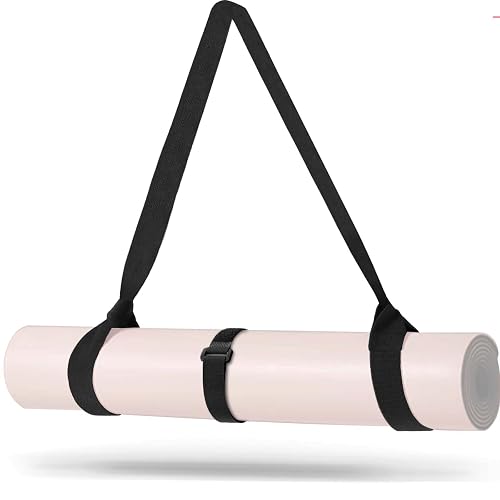
Once you know the width you want, a few accessories can help you get the most from your mat. A mat strap makes carrying easier, and a cleaning spray keeps the surface hygienic between sessions.
- Manduka PRO Yoga Mat: A dense, durable mat often praised by owners for its stability on the floor. View on Amazon
- Gaiam Essentials Thick Yoga Mat: A popular cushioned option that owners often describe as comfortable for floor work. View on Amazon
- Jade Harmony Professional Yoga Mat: A natural rubber mat that owners often mention for grip during standing poses. View on Amazon
For more ideas on equipment that supports home practice, check 6 Best Yoga and Pilates Equipment for Home Workouts (2026). You may also find 10 Best Workout Towels for Gym and Yoga Sessions (2026) useful for keeping your mat dry and secure during hot sessions.
FAQ
Is a 24-inch wide yoga mat enough for most people?
For many practitioners, yes. A 24-inch mat is the common standard and works well for beginners and most classes. Taller or broader people often find a wider mat more comfortable for standing poses.
How wide should a yoga mat be for tall people?
Tall practitioners often prefer a mat around 26 inches or wider so that hands and feet have room during wide poses. Measuring your arm span and checking manufacturer dimensions helps you decide.
Does a wider mat provide more stability?
Extra width can give you more room to position your hands and feet, which may help with balance. Stability also depends on the mat’s grip, thickness and how well it stays flat on the floor.
Can I use a narrow mat for pilates or floor work?
You can, but you may feel cramped when you roll or extend your limbs. A wider mat often feels more comfortable for floor-based exercises.
Should I check with a professional before choosing a mat size?
If you have an injury, joint pain or a health condition, consult a doctor or physical therapist before starting a new program. They can advise on setup and any adjustments that suit your needs.
Conclusion
The width of a yoga mat should match your body size, your practice style and the space you have at home. Measure your arm span, check your floor area and think about how you will use and store the mat. A standard width suits most beginners, while wider options add comfort for taller practitioners and floor-heavy routines.