As an Amazon Associate I earn from qualifying purchases.
Updated November 2026
A smart fitness activity tracker can be a practical way to keep an eye on daily movement, heart rate, and sleep without committing to a full smartwatch. This review looks at a budget-friendly wrist tracker that lists a wide set of health monitoring features, from 24/7 heart rate and blood oxygen readings to step, calorie, and sleep tracking. It is a research-based review built from the product listing and general owner feedback patterns, not hands-on testing. This model is a good fit for people who want broad daily metrics on a low-commitment device and who plan to keep expectations realistic. It is a weaker choice for athletes who need precise GPS pacing, serious training analytics, or medical-grade accuracy. Anyone with a heart condition or other health concern should talk with a doctor before relying on any wearable readings.

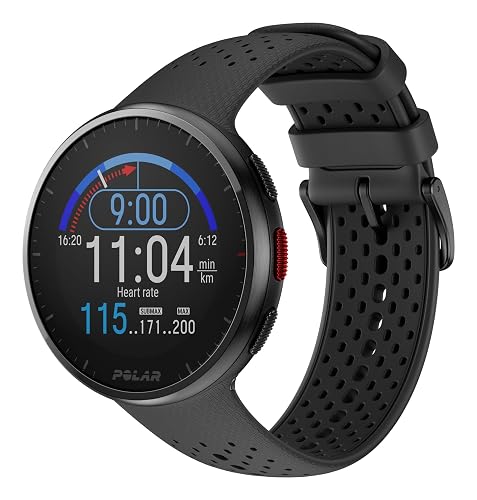
Fitness Tracker with 24/7 Heart Rate, Blood Oxygen Blood Pressure Sleep Monitor, Activity Trackers 5 ATM Waterproof,Step Calorie Counter Pedometer Health Smart Watch for Women Men
Product Overview
This is a wrist-worn fitness tracker marketed for everyday use by both women and men. The listing highlights continuous heart rate monitoring, blood oxygen and blood pressure tracking, sleep monitoring, step and calorie counting, and a pedometer function. It is also rated for 5 ATM water resistance, which means it is designed to handle splashes, handwashing, and swimming in shallow water, though it is not meant for diving or high-pressure water sports.
The device is aimed at people who want a simple, all-day companion rather than a complex smartwatch. Think of it as a tool for building awareness: how many steps you took on a desk-heavy day, how restless your sleep looked, or whether your resting heart rate drifted upward during a stressful week. That kind of routine feedback is what makes an activity tracker useful for home fitness. If you are working toward a larger goal, such as building a consistent home workout habit, a tracker like this can supply the daily numbers that make progress visible. For a deeper look, XTERRA Fitness Premium Folding Smart Treadmill Review (2026) covers this in detail.
It is worth setting the right expectations from the start. Optical wrist sensors that estimate heart rate, blood oxygen, and blood pressure are useful trend indicators, but they are not clinical instruments. Readings can shift with fit, skin tone, movement, and temperature. Use the data to notice patterns over weeks, not to make medical decisions on a single number.
Key Features & Specifications
The table below lists the specifications named in the product listing. Where the listing is vague or does not state a value, we have left the cell general rather than guess.
| Feature | What the Listing Specifies |
|---|---|
| Heart rate monitoring | 24/7 optical heart rate tracking |
| Blood oxygen | Blood oxygen (SpO2) monitoring |
| Blood pressure | Blood pressure tracking, as named in the listing |
| Sleep monitoring | Sleep monitor included |
| Activity tracking | Step counter, pedometer, calorie counter |
| Water resistance | 5 ATM rating |
| Device type | Wrist-worn fitness tracker / smart watch style |
| Intended users | Women and men |
Specifications such as battery life, screen size, Bluetooth version, and app compatibility vary between listings for similar trackers and are not confirmed in the product name, so check the full product page for those details before you buy. Verify the exact compatible phone operating systems as well.
Pros & Cons
Pros
- Broad metric set in one device: heart rate, blood oxygen, sleep, steps, and calories.
- 5 ATM water resistance supports handwashing, rain, and swimming in shallow water.
- Gender-neutral styling covers both women and men users.
- Useful for spotting multi-week trends in resting heart rate and sleep patterns.
- Lower-commitment entry point for people new to wearables.
Cons
- Optical blood oxygen and blood pressure readings are estimates, not medical-grade values.
- Not designed for precise GPS route tracking or detailed training analytics.
- Accuracy during high-intensity or irregular workouts can drop with wrist movement.
- Battery life and app features are not confirmed in the listing title and should be checked.
- Owners who expect smartwatch-level notifications or apps may find it limited.
Performance Analysis
Performance for a tracker like this comes down to three areas: step and activity counting, heart rate tracking, and sleep monitoring. Step counting from a wrist sensor is generally reasonable for walking, but it can overcount during tasks with arm movement, such as typing, cooking, or folding laundry, and undercount when you push a cart or carry items. Owners of similar devices often recommend comparing the tracker against a known walking distance, such as a 400-meter track, to calibrate your expectations.
Heart rate tracking is where expectations matter most. Continuous optical monitoring is useful for seeing how your heart rate responds to a brisk walk, a set of bodyweight squats, or a stressful afternoon. It tends to be more stable at rest and during steady-state activity than during fast intervals or heavy lifting, where the sensor can lose contact. For best results, wear the tracker about a finger’s width above the wrist bone, snug but not tight, and keep it clean and dry under the band.
The blood oxygen and blood pressure features deserve careful framing. Wrist-based estimates can be useful for noticing a trend, such as a reading that stays lower than usual over several days, but they should not replace a blood pressure cuff or a pulse oximeter. If a reading concerns you, retest in a calm, seated position and speak with a healthcare professional.
Sleep monitoring is typically the most valued feature for everyday users. Trackers in this category generally estimate sleep duration and time spent in lighter or deeper stages. Use these figures as a rough guide to your routine. If you notice persistent sleep problems, a clinician is the right person to evaluate them.
Who Should Buy This Product?
This tracker suits people who want a broad daily health snapshot on a modest budget. It is a good match for beginners building a walking habit, people who want to watch resting heart rate and sleep over time, and anyone who wants a device that handles rain, handwashing, and light swimming without fuss. It also works for people who find larger smartwatches intimidating.
You should probably skip this product if you are a serious runner, triathlete, or cyclist who relies on precise GPS, pace alerts, and training load analysis. You should also skip it if you need medically validated readings for a heart condition, blood pressure management, or sleep disorder. In those cases, a clinical device and professional guidance are the right path. Always check with a doctor before starting a new exercise program, especially if you have a health condition or a recent injury.
Buying Guide
When choosing any smart fitness activity tracker, start with the features you will actually use. Heart rate and sleep tracking matter most for general wellness. GPS matters for outdoor distance work. Water resistance matters if you swim or work in wet conditions. Battery life matters if you dislike frequent charging. Compare these priorities against the listing rather than the headline feature count.
Next, check compatibility. Confirm that the tracker works with your phone’s operating system and that the companion app is available in your region. Look for clear data export or sync options if you plan to share numbers with a coach or clinician. Read the return policy, since fit and comfort are personal and some people need a different band size or style.
It also helps to look at alternatives. Well-known options in the same general category include the Fitbit Charge 6, which is a popular all-day tracker with built-in GPS and a strong app ecosystem, and the Garmin Vivosmart 5, which focuses on health and fitness metrics with a long-running battery. For a lower-cost option with a similar wrist-style design, a model like the Amazfit Band 7 is often compared against trackers at this level. Use the same checklist for each: heart rate method, sleep tracking depth, water rating, battery claims, and app support.
Here are two additional products from the same category that you may want to compare against this tracker. Review each listing for the features that matter to you:
- Heart Rate Monitor, Slim Style Watch, IP68 Waterproof, Sleep Monitor, Pedometer Watch, Black Band Fitness Tracker with Step/Distance/Calories Counter for Women Men

Heart Rate Monitor, Slim Style Watch, IP68 Waterproof, Sleep Monitor, Pedometer Watch, Black Band Fitness Tracker with Step/Distance/Calories Counter for Women Men
- Step Counter, Heart Rate Monitor, Sleep Monitor, Alarm Clock, Stopwatch, Fitness Tracker, IP68 Waterproof Smart Watches Fitness Tracker Watch with Heart Rate, No App No Phone Required, Pedometer

Step Counter, Heart Rate Monitor, Sleep Monitor, Alarm Clock, Stopwatch, Fitness Tracker, IP68 Waterproof Smart Watches Fitness Tracker Watch with Heart Rate, No App No Phone Required, Pedometer
For more ideas, you can browse 7 Best Activity Trackers for Fitness: Top Picks Compared (2026) and Budget Friendly Fitness Tracker: 7 Best Picks Compared (2026) to see how different models balance features and value. If you care most about sleep, 6 Best Sleep Fitness Tracker Picks for Nightly Tracking (2026) is a useful companion read.
FAQ
Is this smart fitness activity tracker accurate for heart rate?
Optical wrist sensors are generally useful for tracking trends during rest and steady activity. They can be less reliable during fast intervals, heavy lifting, or loose fit. Compare readings against a chest strap or a clinical device if you need precision.
Can I wear it while swimming?
The listing states a 5 ATM water resistance rating, which supports swimming in shallow water and handwashing. It is not intended for diving or high-speed water sports. Rinse it with fresh water after saltwater or pool use.
Are the blood oxygen and blood pressure readings medical-grade?
No. Wrist-based estimates are best used to notice patterns over time. They should not be used to diagnose or manage a condition. Discuss any concerning readings with a healthcare professional.
Does it track sleep?
Yes, the listing includes sleep monitoring. Expect estimates of sleep duration and general sleep patterns. Wear it snugly overnight for the most consistent data.
Will it count steps accurately?
Step counts are generally reasonable for walking but may vary with arm movement during everyday tasks. Calibrate by comparing a short walk against a measured distance.
Is it suitable for beginners?
Yes, it is a practical starting point for people building a daily activity habit. If you are new to exercise, start with realistic goals and check with a doctor before beginning a new program.
Can I use it with a home workout routine?
Yes, it can log daily movement and heart rate during bodyweight sessions and walks. For structured home training, pair it with a clear plan. You can learn more in How to Build Fitness Habits That Stick: A Step-by-Step Guide.
Final Verdict
This smart fitness activity tracker offers a wide set of daily metrics in a wrist-worn design that suits beginners and everyday users. Its heart rate, sleep, step, and water-resistance features make it a practical companion for building a consistent routine. Its blood oxygen and blood pressure readings are best treated as trend indicators rather than medical results, and serious athletes or anyone managing a health condition should look at more specialized options and consult a professional. If you want a broad, low-commitment tracker and understand its limits, it is a reasonable choice.
Before you buy: helpful guides