As an Amazon Associate I earn from qualifying purchases.
Updated November 2026
A smart watch fitness activity tracker can be a useful companion for anyone building a consistent routine at home, whether you are walking around the block, doing bodyweight circuits in the living room, or trying to sleep better. This review looks at the Fitness Tracker with 24/7 Heart Rate, Activity Trackers with Blood Pressure Sleep Monitor, 1.10″ AMOLED Screen Step Tracker, Waterproof Step Counter, Health Smart Watch Pedometer for Women Men. It is a good fit for beginners who want a simple, wrist-based way to track steps, heart rate, and sleep without a monthly subscription. It is a weaker choice for serious athletes who need GPS route mapping, advanced training metrics, or medical-grade accuracy. If you have a heart condition or take medication that affects heart rate, talk with your doctor before relying on any wearable for health decisions.

Fitness Tracker with 24/7 Heart Rate, Activity Trackers with Blood Pressure Sleep Monitor, 1.10" AMOLED Screen Step Tracker, Waterproof Step Counter, Health Smart Watch Pedometer for Women Men
Product Overview
This is a budget-to-mid-range wrist tracker aimed at people who want a broad set of health and activity readings in one lightweight device. The product name highlights several core functions: continuous heart rate monitoring, a sleep monitor, a step counter and pedometer, and a waterproof build. It also lists a blood pressure feature, which is worth examining closely, as discussed later in this review.
The display is a 1.10-inch AMOLED panel. AMOLED screens are generally brighter and more vivid than basic LCD screens, which helps with reading stats in daylight. The device is positioned as a unisex option, marketed to both women and men, and it is aimed squarely at everyday movement tracking rather than professional sport.
In practical terms, this kind of tracker sits between a basic pedometer and a full multisport smartwatch. You get the daily essentials, such as steps, active minutes, and overnight sleep, without the complexity of a phone-dependent ecosystem.
Key Features & Specifications
The table below lists features reflected in the product name, along with general specifications that manufacturers of devices in this category typically state. Confirm exact figures on the product listing before purchase, since specifications can change between versions.
| Feature | What It Means for You |
|---|---|
| 24/7 heart rate monitoring | Optical sensors on the back of the watch estimate heart rate throughout the day and during activity. |
| Blood pressure feature | Listed in the product name. Readings from wrist wearables are estimates and are not a substitute for a clinical cuff. |
| Sleep monitor | Tracks time in bed and estimated sleep stages to show general sleep patterns. |
| Step tracker and pedometer | Counts steps and estimates distance and calories burned based on your profile. |
| 1.10-inch AMOLED screen | Bright, color display that is easier to read in sunlight than many basic screens. |
| Waterproof design | Suitable for hand washing, rain, and sweat. Check the stated water resistance rating before swimming or showering. |
| Unisex design | Marketed for both men and women with a lightweight, everyday wrist fit. |
Because wearables of this type often rely on optical sensors, readings can vary with fit, skin tone, tattoos, and movement. Wear the band snugly, about a finger’s width above the wrist bone, for the most consistent heart rate data.
Pros & Cons
Pros
- Combines steps, heart rate, and sleep tracking in one wrist device, which keeps setup simple.
- The AMOLED display is generally easier to read outdoors than basic monochrome screens.
- Waterproof construction makes it practical for workouts, rain walks, and everyday hand washing.
- Lightweight and unisex design suits a wide range of wrist sizes.
- Useful for building awareness of daily movement and overnight rest habits.
Cons
- Wrist-based heart rate and blood pressure estimates are less precise than clinical equipment.
- Sleep stage data is an estimate and can misread restless or short sleep.
- Advanced metrics such as built-in GPS, detailed training load, or route mapping are typically absent in this price segment.
- Battery life for an AMOLED display with continuous heart rate tracking is shorter than for simpler trackers.
- App and syncing experiences can vary, and some owners report occasional connection troubles.
Performance Analysis
Step counting is generally the most reliable function on devices in this category. Accelerometers track arm and body motion well for walking and running, though they can overcount on activities like typing or driving, and undercount on cycling or pushing a cart. If your daily step goal matters to you, consider wearing the tracker consistently and calibrating your stride length or height and weight in the companion settings.
Continuous heart rate tracking is useful for spotting trends. Owners often report that resting heart rate and workout readings look reasonable during steady cardio like brisk walking or cycling. Accuracy tends to drop during high-intensity intervals, weight training with heavy wrist movement, or when the strap is loose. For training zones, a chest strap is a more reliable choice, but for general awareness a wrist tracker works well.
The blood pressure feature deserves careful framing. Wrist-based blood pressure estimates from consumer devices are not validated substitutes for a validated upper-arm cuff. Use any readings as rough trend information to discuss with your doctor, never as a basis for diagnosing or changing treatment.
Sleep tracking typically separates time asleep from time awake reasonably well, while sleep stage breakdowns are less dependable. Think of the sleep report as a pattern tool. If you notice consistently short nights or restless sleep, that is worth raising with a healthcare professional.
Battery life with an AMOLED display and always-on heart rate monitoring is generally measured in days rather than weeks. Lowering screen brightness, reducing heart rate sampling frequency, and turning off raise-to-wake can extend time between charges.
Who Should Buy This Product?
This tracker suits beginners building a daily walking or movement habit, people who want a simple dashboard of steps, heart rate, and sleep, and home exercisers who follow bodyweight routines, yoga, or light cardio and want a bit of structure. It also works well as a gift for someone starting a fitness journey who does not yet need advanced metrics.
You should probably skip it if you are a competitive runner or triathlete who needs GPS pacing, a serious lifter who wants detailed training analytics, or anyone relying on a wearable for medical monitoring. People with cardiac conditions should follow their doctor’s guidance rather than wrist readings.
Buying Guide
Before you buy any smart watch fitness activity tracker, think about how you will actually use it. A few practical factors matter more than a long feature list. For a broader framework on evaluating equipment for your space and goals, see How to Choose Home Fitness Equipment: 7 Factors That Matter, which covers many of the same decision points.
- Define your main goal. Daily steps and sleep awareness need different tools than heart rate training zones or GPS routes.
- Check water resistance. Confirm the rating matches how you plan to use it, especially for swimming.
- Look at the app and phone compatibility. Make sure the tracker works with your phone’s operating system and that you are comfortable with the app.
- Consider battery life. Frequent charging can become a habit killer, so match battery expectations to your routine.
- Assess comfort and fit. You will wear it all day and night, so band material and weight matter.
- Read recent owner feedback. Patterns in reports about syncing, accuracy, and durability are often more useful than a single glowing review.
Here are two well-known alternatives worth comparing, depending on what you value most.
The first is a budget-friendly tracker with a heart rate monitor, sleep monitor, alarm, stopwatch, and an IP68 waterproof rating, marketed as working without a phone app:

Step Counter, Heart Rate Monitor, Sleep Monitor, Alarm Clock, Stopwatch, Fitness Tracker, IP68 Waterproof Smart Watches Fitness Tracker Watch with Heart Rate, No App No Phone Required, Pedometer
The second is a screenless band focused on automatic activity detection and no subscription, which suits users who prefer minimal display distraction:
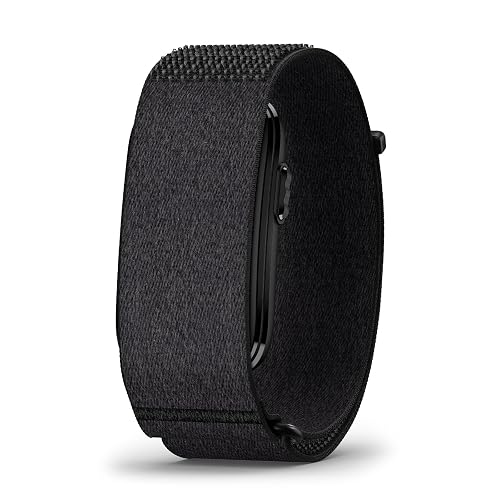
Screenless Health & Fitness Tracker, No Subscription Required, Automatically Detects a Variety of Activities Garmin CIRQA™ Smart Band, No Subscription, L-XL Black
If you want more ideas for home-friendly gear that supports your routine, Best Fitness Technology Gadgets for Home Workouts: 7 Picks That Work (2026) is a helpful next read, and 6 Best Home Fitness Gifts for Every Need: Picks Compared (2026) may help if you are shopping for someone else.
FAQ
Does this smart watch fitness activity tracker need a monthly subscription?
Most trackers in this category do not require a subscription for core features like steps, heart rate, and sleep. Check the product listing and app details to confirm what is included before purchase.
How accurate is the heart rate monitor?
Optical wrist sensors are generally useful for tracking trends during rest and steady activity. They are less precise during intense intervals or heavy lifting. For clinical decisions, rely on medical equipment and your doctor.
Can I rely on the blood pressure reading?
No. Wrist-based estimates are not a validated replacement for a standard cuff. Treat any reading as informal trend data and discuss concerns with a healthcare professional.
Is it waterproof enough for swimming?
The product name describes it as waterproof, but you should verify the specific water resistance rating and any swimming guidance in the listing. Many owners use such devices for rain and hand washing, and swimming use should follow the manufacturer’s instructions.
How long does the battery last?
AMOLED displays and continuous heart rate tracking use more power. Expect a battery measured in days, and reduce brightness or sampling frequency to extend it. Exact runtime depends on usage.
Will it count steps accurately if I push a stroller or cart?
Arm movement can affect step counts. Wearing the tracker on your dominant or non-dominant wrist and adjusting profile settings can help, but some undercounting is common with stroller or cart use.
Is this a good first tracker for a beginner?
Yes, for many people. It offers the core data most beginners need without heavy complexity. If you later want GPS or advanced training features, you can upgrade then.
Final Verdict
This smart watch fitness activity tracker offers a broad set of everyday health and movement features in a lightweight, waterproof package with a bright AMOLED display. It is a sensible starting point for beginners and casual home exercisers who want steps, heart rate trends, and sleep patterns in one place. Treat the heart rate and blood pressure readings as general guides rather than medical measurements, and check with your doctor before starting a new exercise program, especially if you have a health condition or injury. If you need GPS, advanced training analytics, or clinical accuracy, look elsewhere. For everyone else, it is a practical, motivating tool to help you stay consistent.
Before you buy: helpful guides