
As an Amazon Associate I earn from qualifying purchases.
Updated November 2026
Finding the best fitness tracker for runners comes down to a simple question: does the device help you train consistently, recover well and stay comfortable on longer miles? Runners need accurate pace and distance data, dependable heart rate readings during intervals, and enough battery to get through a marathon build. This guide compares seven trackers using the criteria that matter most on the road and trail: built-in GPS, heart rate accuracy during movement, training and recovery features, battery life, comfort for all-day wear, and how smoothly each device works with the phone apps you already use.
Our top picks at a glance
- 1
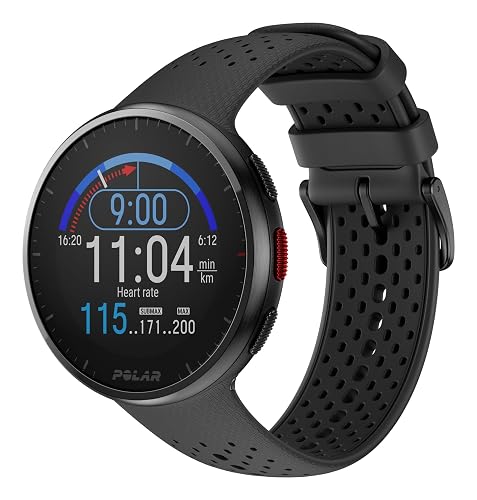 TOP CHOICEBest overallPolar Pacer ProView on Amazon
- 2
 TOP CHOICEBest for structured training plansGarmin vívosmart 5View on Amazon
- 3
 TOP CHOICEBest for Google usersGoogle Fitbit Charge 6View on Amazon
- 4
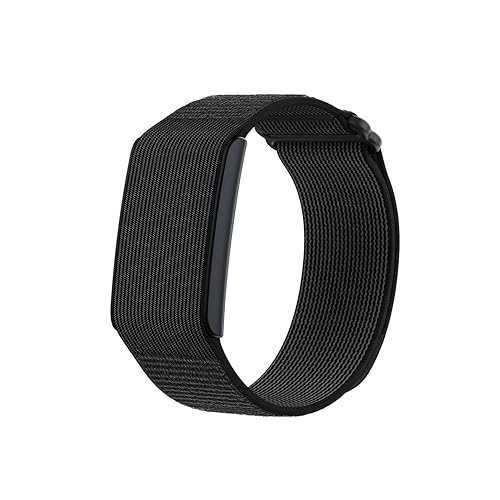 Best subscription-free optionAmazfit Helio StrapView on Amazon
- 5
 Best budget pick with a large displayFitness Tracker with 24/7 Heart Rate and AMOLED ScreenView on Amazon
- 6
 Best for multi-sport workoutsSmart Watch Fitness Tracker with 120 Sports ModesView on Amazon
- 7
 Best no-frills activity trackerStep Counter Fitness Tracker with IP68 WaterproofingView on Amazon
Our Top Picks
Quick Comparison
| Product | Best for | Key feature |
|---|---|---|
| Polar Pacer Pro | Runners who want GPS and recovery guidance | Ultra-light GPS with training program and recovery tools |
| Garmin vívosmart 5 | Runners following a structured plan | Up to 7 days of battery life and smart notifications |
| Google Fitbit Charge 6 | Users of Google apps and Fitbit ecosystems | Heart rate on exercise equipment and Google integration |
| Amazfit Helio Strap | Runners who want no subscription fees | Screenless design with a 10-day battery and 27 sports modes |
| Fitness Tracker with 24/7 Heart Rate and AMOLED Screen | Budget-minded runners who like a large display | 1.10″ AMOLED screen with blood pressure and sleep monitoring |
| Smart Watch Fitness Tracker with 120 Sports Modes | Cross-training and multi-sport athletes | 120 sports modes with blood oxygen and IP68 waterproofing |
| Step Counter Fitness Tracker with IP68 Waterproofing | Runners who want simple daily tracking | Pedometer, sleep monitor and heart rate with no app required |
Polar Pacer Pro
POLAR Pacer Pro Advanced Ultra-Light GPS Fitness Tracker Smartwatch for Runners with Training Program & Recovery Tools; S-L, for Men or Women, Grey-Black
Best for: Runners who want built-in GPS and training guidance without carrying a phone.
This is a lightweight GPS watch aimed squarely at runners. It suits people who run several times a week and want pace, distance and training structure in one place. It is available in men’s and women’s fits in multiple sizes.
Key specs
- Ultra-light GPS fitness tracker design
- Training program and recovery tools included
- Available in S–L sizes
Pros
- Built for running, with GPS and structured training features
- Recovery tools help you judge when to ease off
- Lightweight enough for long runs and sleep tracking
Cons
- Runners who mainly want smartphone notifications may find the feature set narrower than general-purpose trackers
- Fit is size-dependent, so check the band size chart before ordering
Bottom line: A strong choice for runners who want a dedicated running watch with GPS and training guidance in a light package.
Garmin vívosmart 5
Monitor Your Health, Track Your Steps and Sleep, Smart Notifications, Up to 7 Days Battery Life Garmin vívosmart® 5, Health & Fitness Tracker, S-M, White
Best for: Runners who want long battery life and daily health metrics in a slim band.
This tracker fits runners who train on a regular schedule and want steps, sleep and heart rate tracked around the clock. Its long battery life means you can wear it through a multi-week training block without frequent charging.
Key specs
- Battery life up to 7 days in typical use, per manufacturer specifications
- Smart notifications from a paired phone
- Available in S–M sizing
Pros
- Long battery life reduces charging interruptions
- Covers steps, sleep and heart rate in one slim device
- Smart notifications keep you connected during training
Cons
- Not a dedicated GPS watch, so pace accuracy outdoors depends on your phone
- Smaller display limits the detail you can read mid-run
Bottom line: Best for runners who prize battery endurance and all-day health tracking over a large screen.
Google Fitbit Charge 6
Google apps, heart rate on exercise equipment, 3-month Google Health Premium membership included, small and large bands Google Fitbit Charge 6 – Fitness Tracker – Obsidian/Black
Best for: Runners already invested in Google apps who want heart rate data during workouts.
The Charge 6 suits people who use Google services and want their running data to sit alongside everyday activity and sleep. The listing highlights heart rate on exercise equipment and a three-month Google Health Premium membership.
Key specs
- Heart rate tracking during exercise equipment sessions
- Small and large band options
- Three-month Google Health Premium membership included, per the listing
Pros
- Smooth integration with Google apps
- Heart rate tracking supports interval and tempo sessions
- Two band sizes help with a secure fit
Cons
- Premium features may require a paid subscription after the included trial period
- Owners often report that GPS accuracy depends on connecting to a phone
Bottom line: A good fit for Google ecosystem users who want practical heart rate and activity tracking for runs and everyday life.
Amazfit Helio Strap
Subscription Free, 24/7 Activity & Sleep Tracker with Heart Rate, 27 Sports Modes, Strength Training, Hyrox Race Amazfit Helio Strap Screenless Activity Tracker, 10-Day Battery,iOS/Android
Best for: Runners who want continuous tracking without a screen or ongoing fees.
This screenless strap appeals to runners who prefer a minimal, low-distraction device. It logs training across many sport modes and syncs to a companion app, so you review data after the run rather than checking a display mid-stride.
Key specs
- 10-day battery life per manufacturer specifications
- 27 sports modes, including running and strength training
- Works with iOS and Android
Pros
- Subscription-free operation, per the listing
- Long battery life between charges
- Screenless design keeps the focus on your run
Cons
- No on-wrist display means you cannot check pace or heart rate at a glance
- Owners often report that a companion app is needed to see most data
Bottom line: The right pick for runners who want a simple, screenless tracker with no subscription and reliable multi-day battery life.
Fitness Tracker with 24/7 Heart Rate and AMOLED Screen
Fitness Tracker with 24/7 Heart Rate, Activity Trackers with Blood Pressure Sleep Monitor, 1.10" AMOLED Screen Step Tracker, Waterproof Step Counter, Health Smart Watch Pedometer for Women Men
Best for: Budget-minded runners who want a large display and wide health tracking.
This tracker suits runners who want to see their stats clearly without paying for a premium brand. The large AMOLED screen makes it easier to read splits and heart rate when you glance down during a workout.
Key specs
- 1.10″ AMOLED screen
- 24/7 heart rate monitoring
- Waterproof step counter with sleep monitoring, per the listing
Pros
- Large screen is easy to read on the move
- Broad health feature set for the category
- Budget-friendly choice for first-time tracker buyers
Cons
- Blood pressure readings from wrist wearables are estimates and should not replace medical measurement
- Third-party brands in this range often have less detailed training software than major manufacturers
Bottom line: A practical starting point for runners who want a readable screen and lots of tracking features on a tight budget.
Smart Watch Fitness Tracker with 120 Sports Modes
Smart Watch Fitness Tracker with 24/7 Heart Rate, Blood Oxygen Blood Pressure Monitor Sleep Tracker 120 Sports Modes Activity Trackers Step Calorie Counter IP68 Waterproof for Andriod iPhone Women Men
Best for: Runners who also cross-train and want many activity modes in one device.
This watch suits athletes who split their week between running, cycling, gym sessions and other activities. The wide range of sport modes means you can log most workouts without switching devices.
Key specs
- 120 sports modes, per the listing
- 24/7 heart rate and blood oxygen monitoring
- IP68 waterproof rating
Pros
- Very broad sport mode selection
- IP68 rating suits rain runs and sweaty workouts
- Works with both Android and iPhone
Cons
- Many modes mean setup takes time to learn
- Blood oxygen and blood pressure readings from consumer wearables are approximations
Bottom line: Ideal for multi-sport athletes who want one watch to cover running and everything else.
Step Counter Fitness Tracker with IP68 Waterproofing
Step Counter, Heart Rate Monitor, Sleep Monitor, Alarm Clock, Stopwatch, Fitness Tracker, IP68 Waterproof Smart Watches Fitness Tracker Watch with Heart Rate, No App No Phone Required, Pedometer
Best for: Runners who want simple daily tracking without setting up an app.
This tracker is for people who want the basics: steps, heart rate, sleep and an alarm, with no phone pairing required. It works well as a second device for recovery days or as a simple daily companion.
Key specs
- IP68 waterproof rating
- Heart rate, sleep monitor, alarm clock and stopwatch
- No app or phone required, per the listing
Pros
- Works without a smartphone
- Stopwatch and alarm add practical everyday use
- Waterproof design handles rain and sweat
Cons
- Without an app, long-term trend analysis is limited
- Pace and GPS features are not included
Bottom line: A simple, waterproof option for runners who value ease of use over detailed training analytics.
Buying Guide
Built-in GPS vs. phone-connected GPS
Built-in GPS records your route even when your phone is at home, which matters for trail runners and anyone who leaves their phone behind. Phone-connected tracking uses the GPS in your handset and is usually adequate for road running. Check the listing to see which method a device uses before you buy.
Good picks for this: Polar Pacer Pro, Garmin vívosmart 5
Heart rate accuracy during running
Optical wrist sensors can drift during intervals, hill climbs and cold-weather runs. Look for trackers that mention heart rate during exercise, and consider a chest strap if you train at high intensity and need precise zones. Wrist heart rate is generally a good guide for steady-state runs.
Good picks for this: Google Fitbit Charge 6, Smart Watch Fitness Tracker with 120 Sports Modes
Battery life and charging habits
Marathon training blocks often run 16 to 20 weeks, so a tracker that needs nightly charging can become a hassle. Multi-day batteries let you wear the device through sleep and long runs without interruption. Check the manufacturer’s stated battery life and note whether GPS use shortens it.
Good picks for this: Amazfit Helio Strap, Garmin vívosmart 5
Fit, size and comfort
A tracker that slides during a run gives unreliable readings. Check the band size chart, wrist circumference and whether the listing offers multiple sizes. Lightweight bands and soft materials reduce irritation on long runs. Measure your wrist before ordering, and try the band snugly enough that the sensor stays against your skin without restricting circulation.
Good picks for this: Polar Pacer Pro, Google Fitbit Charge 6
Water resistance and durability
Sweat and rain are constant factors for runners. An IP68 rating indicates protection against dust and submersion under conditions the manufacturer specifies. Check the rating and any depth or time limits, and avoid using a tracker in hot water or for activities outside its stated rating.
Good picks for this: Step Counter Fitness Tracker with IP68 Waterproofing, Fitness Tracker with 24/7 Heart Rate and AMOLED Screen
Training features and software
Structured training plans, recovery scores and pace zones can turn raw data into decisions. Decide whether you want a coach-style program or just clean data. Consider whether the app is free, whether features require a subscription, and how well it exports data to other platforms you use.
Good picks for this: Polar Pacer Pro, Amazfit Helio Strap
Display and readability
A larger screen helps when you check splits mid-run, but it adds size and can drain battery faster. Screenless straps reduce distraction and extend battery life but require you to review data later. Choose based on whether you want live feedback or post-run analysis.
Good picks for this: Fitness Tracker with 24/7 Heart Rate and AMOLED Screen, Amazfit Helio Strap
FAQ
Do I need GPS in a fitness tracker for running?
Not always. If you run mostly on roads with your phone, phone-connected GPS is usually sufficient. GPS on the device itself is useful for trail running, running without your phone, or if you want independent route tracking.
How accurate is wrist heart rate during running?
Wrist sensors work well during steady runs but can lag or drift during rapid changes in pace or on hills. For interval or threshold training where precise zones matter, a chest strap is generally more accurate.
How often should I charge a running tracker?
It depends on the model and how often you use GPS or always-on display features. Check the manufacturer’s stated battery life, then monitor your own usage for the first week to plan a charging routine.
Can a fitness tracker replace a running watch?
For many runners, yes, especially if you mainly want steps, heart rate and basic pace. Dedicated running watches typically offer more advanced training metrics, route features and navigation, which matter more for serious training.
Do fitness trackers require a subscription?
Some do not, while others offer premium features through paid memberships. Check the listing and the manufacturer’s app terms before buying, and confirm which features are included without a subscription.
How should I wear a tracker when running?
Wear it snug on the wrist, one to two finger widths above the wrist bone, so the sensor stays in contact with your skin. Loose wear can cause inaccurate heart rate readings.
Is blood pressure tracking on wearables reliable?
Blood pressure features on consumer wrist devices provide estimates and trends rather than clinical readings. They should not replace measurements from a validated cuff. Consult a doctor or healthcare professional before using any tracker data to make decisions about your health, especially if you have a heart or blood pressure condition.
Conclusion
For most runners, the best fitness tracker is the one that matches how you train. The Polar Pacer Pro suits runners who want built-in GPS and training guidance. The Garmin vívosmart 5 fits those who value long battery life and daily health data. Google users will appreciate the Fitbit Charge 6, while the Amazfit Helio Strap offers a subscription-free, screenless option. Budget shoppers can consider the AMOLED-screen tracker, multi-sport athletes may prefer the 120-mode smartwatch, and the IP68 step counter works well for simple, app-free tracking. Before you buy, check battery life, heart rate features, fit and waterproofing against your typical routes and weather. If you have a heart condition or are starting a new training program, speak with a doctor first.
Sources
- Guidance on physical activity levels and how to measure exercise intensity (cdc.gov)
- Research summaries on wearable devices, heart rate monitoring and activity tracking (nih.gov)
- Federal physical activity guidelines for adults and recommended weekly exercise (health.gov)
Before you buy: helpful guides


