As an Amazon Associate I earn from qualifying purchases.
Updated November 2026
Shopping for a hinge health yoga mat usually comes down to one question: which mat will support your joints, hold its grip during slow holds, and still fit your space? Our picks focus on thickness and cushioning, surface grip, overall size, material choice, and how well each mat holds up to regular floor work. We looked at manufacturer specifications, brand reputation, and the patterns owners tend to mention in their feedback, from comfort on knees and wrists to how the surface wears over time. If you have a joint condition or an injury, check with your doctor or physical therapist before starting a new routine.
Our top picks at a glance
- 1
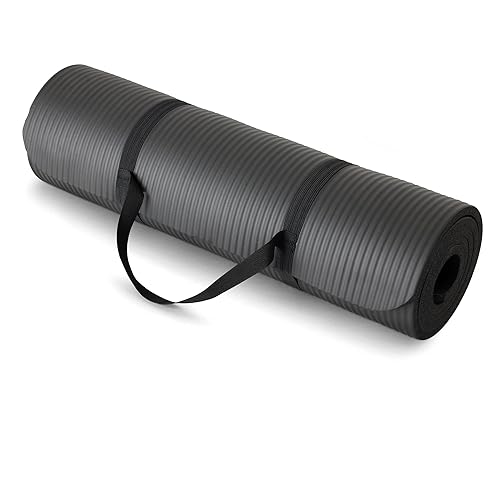 TOP CHOICEBest overallAmazon Basics Extra Thick Exercise Yoga Mat with Carrying StrapView on Amazon
- 2
 TOP CHOICEBest for joint cushioningGaiam Thick Yoga Mat, Exercise & Fitness Mat with Easy-Cinch Carrying StrapView on Amazon
- 3
 TOP CHOICEBest budget pickHeathyoga Yoga Mat Non Slip TPE Pilates Exercise MatView on Amazon
- 4
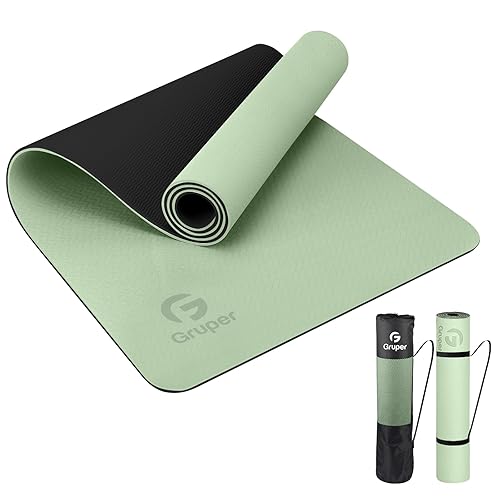 Best for eco-minded buyersPro TPE Yoga Mats for Women, Anti-Tear Workout Mats for HomeView on Amazon
- 5
 Best for studio-style practiceGaiam Yoga Mat Classic Print, 4mm Non-Slip MatView on Amazon
- 6
 Best premium optionManduka PROlite Yoga Mat 4.7mmView on Amazon
Our Top Picks
Quick Comparison
| Product | Best for | Key feature |
|---|---|---|
| Amazon Basics Extra Thick Exercise Yoga Mat with Carrying Strap | Everyday cushioning | Extra thick build with carrying strap |
| Pro TPE Yoga Mats for Women, Anti-Tear Workout Mats for Home | Eco-minded buyers | TPE material with anti-tear construction |
| Gaiam Thick Yoga Mat, Exercise & Fitness Mat | Joint cushioning | NBR foam with non-slip surface |
| Heathyoga Yoga Mat Non Slip TPE Pilates Exercise Mat | Budget-conscious home use | Non-slip TPE with body alignment lines |
| Gaiam Yoga Mat Classic Print, 4mm Non-Slip Mat | Studio-style practice | Lightweight 4mm profile |
| Manduka PROlite Yoga Mat 4.7mm | Long-term durability | Lifetime durability and hygienic construction |
Amazon Basics Extra Thick Exercise Yoga Mat with Carrying Strap
Amazon Basics Extra Thick Exercise Yoga Mat with Carrying Strap
Best for: Everyday cushioning on hard floors A related read: Best Yoga Mat Bags.
This mat suits people who want extra padding under the knees, hips and wrists during floor sequences, stretching and core work. It is a practical choice for a dedicated corner of a bedroom or living room where the mat can stay unrolled between sessions.
Key specs
- Extra thick profile for added cushioning
- Includes a carrying strap
Pros
- Generous cushioning for kneeling and floor work
- Easy to transport with the included strap
- Straightforward design with no unnecessary extras
Cons
- Thick mats can feel less stable during standing balance poses
- Heavier to carry than thinner travel mats
Bottom line: A good pick if your top priority is padding for joints and you practice mostly on the floor or at home.
Pro TPE Yoga Mats for Women, Anti-Tear Workout Mats for Home
Pro TPE Yoga Mats for Women, Anti-Tear Workout Mats for Home, Pilates and Floor Exercises, 72"L x 24"W x 0.24"/0.32"TH Gruper Yoga Mat Non Slip, Eco Friendly Exercise Mat with Carrying Strap
Best for: Eco-minded buyers who want a non-PVC option
This mat is aimed at people who prefer TPE over PVC and want a mat sized for full-length stretches. Its 72-inch length gives room for longer poses, and the anti-tear construction suits regular home use.
Key specs
- Listed size: 72″L x 24″W
- Listed thickness options: 0.24″ and 0.32″
- TPE material, carrying strap included
Pros
- Non-PVC material appeals to eco-minded buyers
- Full-length size accommodates most body heights
- Includes a carrying strap
Cons
- TPE can have a slightly different feel than natural rubber
- Some owners report the surface needs occasional cleaning to keep grip
Bottom line: Best for someone who wants a sturdy, longer mat made from a non-PVC material for home practice.
Gaiam Thick Yoga Mat, Exercise & Fitness Mat with Easy-Cinch Carrying Strap
Non-Slip NBR Foam | Joint Cushioning | Yoga, Pilates, Fitness & Floor Workouts | 72"L x 24"W Gaiam Thick Yoga Mat, Exercise & Fitness Mat with Easy-Cinch Carrying Strap
Best for: Joint cushioning
Designed for floor workouts where extra softness matters, this mat suits those who spend time on knees, elbows or the lower back. The NBR foam construction and non-slip surface make it a reasonable choice for both yoga and general fitness.
Key specs
- Listed size: 72″L x 24″W
- NBR foam construction
- Easy-cinch carrying strap included
Pros
- Cushioned surface for joint comfort
- Non-slip texture for stability
- Works for yoga, Pilates and general floor exercises
Cons
- Foam mats can compress over time with heavy use
- Thicker profile may feel soft for balance-focused practice
Bottom line: A strong fit for anyone whose main concern is joint support on the floor.
Heathyoga Yoga Mat Non Slip TPE Pilates Exercise Mat
Heathyoga Yoga Mat Non Slip TPE Pilates Exercise Mats for Home Workout Gym Fitness Eco Friendly Thick Hot Yoga Mat with Strap Body Alignment,72"x 26" Thickness 1/4"
Best for: Budget-conscious home use
This mat fits people who want a versatile, non-slip TPE mat for yoga, Pilates and home workouts without a premium price tag. Its 26-inch width gives extra room for wider stances.
Key specs
- Listed size: 72″x 26″
- Listed thickness: 1/4″
- TPE material with body alignment markings
Pros
- Wider 26-inch surface than many standard mats
- Alignment markings help with positioning
- Non-slip TPE surface
Cons
- A 1/4-inch profile offers less cushioning than thicker mats
- Some owners mention the surface picks up dust and needs wiping
Bottom line: A sensible option for someone who wants good grip and extra width without spending heavily.
Gaiam Yoga Mat Classic Print, 4mm Non-Slip Mat
Lightweight 4mm print yoga mat with non-slip grip. Ideal for yoga, Pilates & floor workouts at home or studio. Gaiam Yoga Mat Classic Print, 4mm Non-Slip Mat
Best for: Studio-style practice
This lightweight mat suits people who attend classes, carry their mat often, or prefer a thinner feel closer to the floor for balance work. It is a good match for standing poses and flowing sequences.
Key specs
- 4mm thickness
- Non-slip surface
- Lightweight for easy transport
Pros
- Lightweight and easy to carry to class
- Thinner profile supports balance and stability
- Non-slip surface for flowing practice
Cons
- Less cushioning for knees and wrists than thick mats
- Thin mats can feel firmer on hard floors
Bottom line: A good choice for active practitioners who value portability and a grounded feel over extra padding.
Manduka PROlite Yoga Mat 4.7mm
Manduka PROlite Yoga Mat 4.7mm | Lifetime Durability | Hygienic Construction | Teacher Approved
Best for: Long-term durability
This mat is built for people who want a dependable mat for years of regular practice. The 4.7mm profile balances cushioning and stability, and the brand’s focus on hygienic construction appeals to buyers who practice daily.
Key specs
- 4.7mm thickness
- Lifetime durability claim from the manufacturer
- Hygienic construction as described by the brand
Pros
- Durability is a central selling point for owners
- Balanced thickness for cushioning and stability
- Hygienic construction suits frequent use
Cons
- Premium positioning means a higher overall investment
- Some owners find the surface needs a break-in period
Bottom line: The right pick if you practice often and want a mat that holds up over many years.
Buying Guide
Thickness and Joint Cushioning
Thickness is the first factor most people consider. Mats around 1/4 inch (about 6mm) are common for general use, while thinner mats around 4mm give a closer feel to the floor. If your knees, wrists or hips need padding, a thicker mat is usually more comfortable. Keep in mind that very thick mats can make balance poses feel less steady.
Good picks for this: Gaiam Thick Yoga Mat, Amazon Basics Extra Thick Exercise Yoga Mat
Grip and Surface Texture
A non-slip surface keeps hands and feet from sliding during transitions. Look for textured surfaces described as non-slip, and check whether the material is known to grip when damp from sweat. Mats that feel slick on the surface may need a cleaning routine to restore traction.
Good picks for this: Heathyoga Yoga Mat Non Slip TPE, Gaiam Yoga Mat Classic Print
Length and Width
Standard mats are often about 68 to 72 inches long and 24 inches wide. Taller users may want a longer mat so their head and heels stay on the surface during savasana and longer stretches. Wider mats, such as those around 26 inches, give more room for wider stances and side-to-side movement.
Good picks for this: Heathyoga Yoga Mat Non Slip TPE, Pro TPE Yoga Mats for Women
Material
Common materials include PVC, TPE, NBR foam and natural rubber. TPE is often chosen by buyers who want to avoid PVC, while NBR foam is known for softness. Each material has a different feel, weight and cleaning need, so consider what matters most in your routine.
Good picks for this: Pro TPE Yoga Mats for Women, Gaiam Thick Yoga Mat
Durability
Durability depends on material quality, how often you practice, and how you store the mat. Mats that are rolled while damp or left in direct sun tend to wear faster. Manufacturers that describe construction in detail or offer durability claims can be useful starting points, though owner experience varies.
Good picks for this: Manduka PROlite Yoga Mat 4.7mm, Pro TPE Yoga Mats for Women
Portability and Weight
If you travel to class or practice outdoors, weight and strap design matter. Thinner mats are generally lighter, and a sturdy carrying strap makes transport easier. Consider how far you will carry the mat and how often.
Good picks for this: Gaiam Yoga Mat Classic Print, Amazon Basics Extra Thick Exercise Yoga Mat
Care and Cleaning
Wiping the mat after each session with a diluted, mild cleaner and letting it air dry helps prevent odor and grip loss. Avoid harsh solvents unless the manufacturer recommends them. Regular cleaning is one of the simplest ways to extend a mat’s life.
Good picks for this: Manduka PROlite Yoga Mat 4.7mm, Heathyoga Yoga Mat Non Slip TPE
FAQ
What thickness is best for a hinge health yoga mat?
For joint comfort on hard floors, many people prefer mats in the thicker range, while those who want better balance often choose thinner mats around 4mm. The right choice depends on your joints, your practice style and your floor surface.
Do I need a non-slip mat?
A non-slip surface is helpful for most styles of practice, especially flowing sequences and standing poses. Check that the surface texture is described as grippy and that it stays grippy when your hands or feet are slightly sweaty.
How long should a yoga mat be?
Most standard mats run about 68 to 72 inches long. If you are taller, a longer mat may give you full coverage during lying-down poses.
Are TPE mats better than PVC mats?
TPE is often chosen by buyers who want to avoid PVC. Neither material is universally better; the best choice depends on your preferences for feel, weight, cleaning and environmental considerations.
How do I clean my yoga mat?
Wipe the surface with a diluted mild cleaner after each session, rinse if the manufacturer advises it, and let the mat air dry fully before rolling it. Avoid storing it damp.
Can a yoga mat help with joint pain?
A cushioned mat can make floor work more comfortable, but it is not a treatment for any condition. If you have joint pain, an injury or a health condition, consult your doctor or a licensed physical therapist before starting a new program.
How often should I replace my mat?
Replace a mat when it loses grip, shows deep compression or wear, or develops tears. Heavy daily use may shorten a mat’s lifespan, so regular inspection helps you decide when it is time.
Conclusion
There is no single best hinge health yoga mat for everyone. If you want maximum cushioning for joints, the thick foam and extra-thick options are the strongest fit. If you practice standing poses or attend classes, a thinner mat such as the 4mm Gaiam option may feel more stable. Budget-minded buyers will find the Heathyoga mat a practical choice, while those who practice daily may value the durability focus of the Manduka PROlite. Match the thickness, grip, size and material to your routine, and check with your healthcare provider if you have a joint condition or injury.
Sources
- Physical activity guidelines and general advice on safe movement for adults (cdc.gov)
- Research and health information on joint health and exercise (nih.gov)
- Consumer product safety information for exercise equipment and home fitness gear (cpsc.gov)
Before you buy: helpful guides