As an Amazon Associate I earn from qualifying purchases.
Updated November 2026
Shopping for the best balance equipment can feel confusing when every listing promises better stability, stronger core muscles and smoother movement. This guide narrows the field to 10 practical options, from wobble boards and stability discs to foam pads and kid-friendly stepping stones. Our selection criteria were specifications, brand reputation, and the patterns owners tend to report, such as how stable a board feels under load, how grippy the surface is, how much weight it supports, and whether it suits your space and skill level. Use this as a starting point, and check with a doctor or physical therapist before starting a new program, especially if you have an injury or health condition.
Our top picks at a glance
- 1
 TOP CHOICEBest overallAmazon Basics Wood Wobble Balance Trainer BoardView on Amazon
- 2
 TOP CHOICEBest for heavy-duty home useProfessional Wooden 360° Rotating Balance BoardView on Amazon
- 3
 TOP CHOICEBest for foot and ankle routinesRocalt Cork Balance Board 4-in-1 Foot and Ankle Strengthener KitView on Amazon
- 4
 Best for app-guided trainingGoBalance Board App-Enabled Balance BoardView on Amazon
- 5
 Best for ankle rehab-style stability workAdjustable Balance Board for Ankle Strengthening and StabilityView on Amazon
- 6
 Best for full-body ball workoutsVEVOR Half Exercise Ball TrainerView on Amazon
- 7
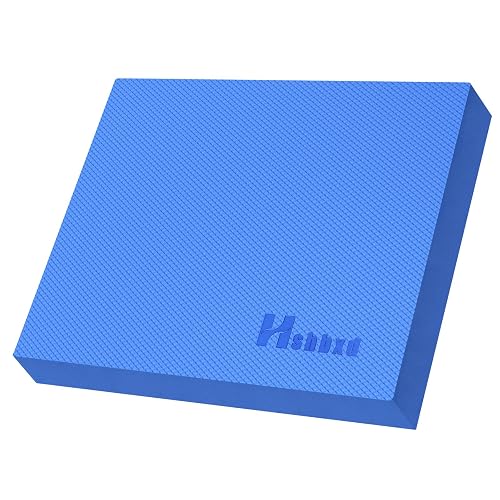 Best budget pickProfessional Balance Pad for Physical Therapy and Stability TrainingView on Amazon
- 8
 Best for classroom and flexible seatingTrideer Wobble Cushion Balance PadView on Amazon
- 9
 Best for a classic core discProsourceFit Core Balance Disc Trainer with Hand PumpView on Amazon
- 10
 Best for kids and playHEY! PLAY! Balance Pods Half Dome Stepping StonesView on Amazon
Our Top Picks
Quick Comparison
| Product | Best for | Key feature |
|---|---|---|
| Amazon Basics Wood Wobble Balance Trainer Board | Everyday core and balance practice | Slip-resistant wooden board |
| Professional Wooden 360° Rotating Balance Board | Heavy-duty home and rehab-style use | 360° rotation, 500 lb listed capacity |
| Rocalt Cork Balance Board 4-in-1 Kit | Foot and ankle strengthening | Cork board plus foot accessories |
| GoBalance Board | App-guided training | Bluetooth sensor and 12 games |
| Adjustable Balance Board (ankle focus) | Ankle stability progression | Adjustable stability level |
| VEVOR Half Exercise Ball Trainer | Full-body balance workouts | Resistance bands and foot pump included |
| Professional Balance Pad | Budget-friendly stability work | Nonslip foam surface |
| Trideer Wobble Cushion | Seated and flexible seating | Nonslip texture, pump included |
| ProsourceFit Core Balance Disc | Core and stability drills | Hand pump included |
| HEY! PLAY! Balance Pods | Kids and playful balance | Set of six stepping stones |
Amazon Basics Wood Wobble Balance Trainer Board
Amazon Basics Wood Wobble Balance Trainer Board, Slip Resistant, for Exercise and Core Strength
Best for: Everyday core and balance practice in a small space
This is a straightforward wooden board for people who want a simple, no-frills way to practice balance at home. It suits beginners who are comfortable standing and want to build ankle and core control gradually.
Key specs
- Wooden wobble board with a slip-resistant surface
- Designed for exercise and core strength work
Pros
- Simple design that is easy to start with
- Slip-resistant surface helps keep feet in place
- Takes little floor space to store
Cons
- Basic feature set compared with app-enabled or rotating models
- May feel too easy for advanced users after a few weeks
Bottom line: A good first board for beginners who want a dependable, low-complexity tool for daily balance practice.
Professional Wooden 360° Rotating Balance Board
Professional Wooden 360° Rotating Balance Board, Anti-Slip wobble board, 500 lbs Capacity. Perfect for under-desk standing, physical therapy, rehab, core & stability training, and fun for all ages.
Best for: Heavy-duty home use and rehab-style stability training
This board suits people who want a sturdy platform with a rotating motion for varied drills. It is a fit for users who plan to stand on it for longer sessions, including while working at a desk.
Key specs
- 360° rotating wooden platform
- Listed capacity of 500 lbs
- Anti-slip surface
Pros
- High listed weight capacity for a wide range of users
- Rotation adds variety to standing and core drills
- Suitable for multiple age groups and use cases
Cons
- Rotation can feel aggressive for complete beginners
- Wooden construction is heavier to move between rooms
Bottom line: A solid pick for users who want a durable, rotating board and are ready for more challenging movement.
Rocalt Cork Balance Board 4-in-1 Foot and Ankle Strengthener Kit
Step-by-Step Exercise Guide, Balance Trainers, Foot Roller, Massage Ball, Toe Bands for Foot Restoration & Mobility Training Rocalt Cork Balance Board, 4-in-1 Foot and Ankle Strengthener Kit
Best for: Foot and ankle routines with added accessories
This kit bundles a cork balance board with foot tools, making it a good match for people focused on foot strength and mobility. It appeals to those who want several tools in one package.
Key specs
- Cork balance board
- Four-piece kit with foot and ankle accessories
Pros
- Multiple tools in one kit for foot-focused work
- Cork surface is lightweight and easy to handle
- Useful for varied routines beyond standing balance
Cons
- Accessory quality can vary between kit items
- Less suited to heavy-load or advanced rotation drills
Bottom line: Best for users who want a broad foot-and-ankle kit rather than a single board.
GoBalance Board App-Enabled Balance Board
GoBalance Board – App-Enabled Balance Board. Smart Bluetooth Sensor, 12 FREE Interactive Games – Fun, Balance Training and Home Gym Workout! Boost Coordination & Strength for Teens and Adults
Best for: App-guided training and motivation
This board pairs with a smartphone app through a Bluetooth sensor, which suits people who prefer structured games and progress tracking. It works well for teens and adults who want a more engaging routine.
Key specs
- Smart Bluetooth sensor
- 12 interactive games listed in the product name
Pros
- Gamified sessions can make routines more consistent
- Built-in game variety reduces boredom
- Good option for coordination-focused goals
Cons
- Depends on a phone and Bluetooth connection
- Some users prefer a non-electronic board for simplicity
Bottom line: Ideal for people who want motivation from games and tracking, as long as they are comfortable with app-based setup.
Adjustable Balance Board for Ankle Strengthening and Stability
Recovery for sprains & plantar fasciitis. Includes video guide for single leg training. Adjustable stability board Adjustable Balance Board for Ankle Strengthening & Stability
Best for: Ankle stability progression
This adjustable board is aimed at people building ankle control in steps, including those working on single-leg balance. It is best approached with caution and professional guidance if recovering from an injury.
Key specs
- Adjustable stability level
- Listing includes a video guide for single-leg training
Pros
- Adjustable difficulty supports gradual progression
- Focused on ankle and single-leg control
- Includes instructional guidance
Cons
- Not a substitute for medical treatment of sprains or plantar fasciitis
- Adjustment mechanisms may require periodic checks
Bottom line: A useful progression tool for people who have clearance from a clinician and want structured ankle work.
VEVOR Half Exercise Ball Trainer
VEVOR Half Exercise Ball Trainer, 23/26 inch Balance Ball Trainer, 1500lbs Capacity Stability Ball, Yoga Ball with Resistance Bands & Foot Pump, Strength Fitness Ball for Home Gym Full Body Workout
Best for: Full-body balance workouts
This half ball trainer combines a stability surface with resistance bands and a foot pump, making it suitable for people who want strength and balance in one piece of gear. It fits a home gym with some open floor space.
Key specs
- Listed capacity of 1500 lbs
- Available in 23 and 26 inch sizes
- Includes resistance bands and foot pump
Pros
- Accessories add exercise variety
- Multiple size options for different heights
- Works for both balance and strength drills
Cons
- Takes more floor space than a board or pad
- Inflation level needs regular checking for consistent feel
Bottom line: A strong choice for home gym users who want a versatile half-ball trainer with included accessories.
Professional Balance Pad for Physical Therapy and Stability Training
Nonslip foam balance cushion for exercise, yoga, fitness, stretching, and physical therapy routines Professional Balance Pad for Physical Therapy and Stability Training
Best for: Budget-friendly stability work
This foam pad is a low-cost, low-profile option for stretching, yoga and balance drills. It suits people who want to add challenge to routines without buying a larger piece of equipment.
Key specs
- Nonslip foam surface
- Designed for exercise, yoga and stretching routines
Pros
- Lightweight and easy to store
- Nonslip surface suits bare feet or socks
- Works with many floor-based routines
Cons
- Less challenging than rocking or rotating boards
- Foam can compress over long-term heavy use
Bottom line: A practical starter option for people who want gentle, inexpensive balance challenges on a flat surface.
Trideer Wobble Cushion Balance Pad
Sensory Seating for Classroom, Wobble Board & Balance Disc, Core & Balance Support, Non-Slip Texture, Pump Included Trideer Wobble Cushion, Balance Pad, Wiggle Seat for Flexible Seating
Best for: Seated and flexible seating
This wobble cushion is designed for sitting, offering gentle movement that can support posture and fidgeting needs. It is commonly used in classrooms and home offices.
Key specs
- Nonslip texture
- Pump included
Pros
- Easy to use as a seat cushion
- Pump included for adjusting firmness
- Low-profile and portable
Cons
- Not intended as a standing training tool
- Some users find it too wobbly for long seated sessions
Bottom line: Best for people who want a seated balance aid for classroom, office or light core engagement.
ProsourceFit Core Balance Disc Trainer with Hand Pump
ProsourceFit Core Balance Disc Trainer with Hand Pump
Best for: Core and stability drills
This disc trainer is a classic choice for standing and seated core exercises. It works for people who want a simple, inflatable surface that can be adjusted with a hand pump.
Key specs
- Inflatable balance disc
- Hand pump included
Pros
- Inflation level can be adjusted for difficulty
- Compact enough for most home spaces
- Useful for both standing and seated drills
Cons
- Manual pumping takes some effort
- Can lose air over time and need re-inflating
Bottom line: A reliable core-focused disc for users who want an adjustable, no-electronics option.
HEY! PLAY! Balance Pods Half Dome Stepping Stones
Hedgehog Style Balancing and Stability Half Dome Stepping Stones for Exercise, For Kids Ages 3 and Up HEY! PLAY! Balance Pods, Multicolor, Set of 6, 6.5” x 3.25”
Best for: Kids and playful balance
These half-dome stones are designed for children ages 3 and up, making them good for simple stepping and balance games. They also suit adults who want a playful, low-intensity activity.
Key specs
- Set of six pods
- Dimensions listed as 6.5 x 3.25 inches
Pros
- Engaging for young children
- Set format allows flexible layouts
- Easy to move and store
Cons
- Not a training tool for advanced adult balance work
- Small size may not suit larger feet
Bottom line: A fun, practical choice for families and early-childhood balance play rather than serious adult training.
Buying Guide
Match the Equipment to Your Goal
Start by deciding whether you want general balance practice, core work, ankle and foot strengthening, seated movement, or play for kids. A wobble board suits standing drills, while a cushion or pod set serves lighter or more playful needs. Matching the tool to the goal keeps you from paying for features you won’t use.
Good picks for this: Amazon Basics Wood Wobble Balance Trainer Board, HEY! PLAY! Balance Pods
Check Surface Grip and Stability
A slip-resistant top is essential, especially if you train barefoot or in socks. Look for descriptions that mention nonslip or anti-slip surfaces, and test the board on a hard floor before progressing to harder drills. Keep the area clear of objects to reduce fall risk.
Good picks for this: Professional Balance Pad, Amazon Basics Wood Wobble Balance Trainer Board
Confirm Weight Capacity
Weight capacity matters for durability and for user safety. Check the listed maximum before buying, and avoid exceeding it when multiple people share the equipment. Wooden boards and half-ball trainers usually list higher capacities than foam pads.
Good picks for this: Professional Wooden 360° Rotating Balance Board, VEVOR Half Exercise Ball Trainer
Size and Floor Space
Measure the area where you plan to train. A half ball or large board needs more clearance than a foam pad or disc. For ball trainers, choose the diameter that suits your height and the activities you plan to do.
Good picks for this: ProsourceFit Core Balance Disc Trainer with Hand Pump, VEVOR Half Exercise Ball Trainer
Adjustability and Progression
Look for equipment that can grow with you. Adjustable stability, inflatable discs, and boards with rotation let you increase difficulty over time. This matters for people who want to move from simple standing drills to single-leg work.
Good picks for this: Adjustable Balance Board for Ankle Strengthening and Stability, ProsourceFit Core Balance Disc Trainer
Durability and Materials
Wood, cork, foam, and vinyl each handle wear differently. Wood tends to be firm and long-lasting, while foam compresses over time. Inspect seams, valves, and bases regularly, and replace equipment that cracks or loses shape.
Good picks for this: Rocalt Cork Balance Board 4-in-1 Foot and Ankle Strengthener Kit, Professional Wooden 360° Rotating Balance Board
Care and Maintenance
Wipe surfaces with a damp cloth and mild soap, and keep wooden boards away from prolonged moisture. For inflatable discs and ball trainers, check air pressure regularly and store them out of direct sunlight. Good maintenance extends the life of any balance tool.
Good picks for this: ProsourceFit Core Balance Disc Trainer with Hand Pump, Trideer Wobble Cushion Balance Pad
FAQ
Is balance equipment useful for people who are just starting out?
Yes, many beginners find that balance equipment helps them build confidence and control before moving on to harder exercises. Start with a stable option like a foam pad or a wobble cushion, and progress as your balance improves. Going slowly and holding onto a sturdy surface nearby can make early sessions safer.
Do I need to see a doctor before using a balance board?
It is a good idea to check with a doctor or physical therapist first, especially if you have a past injury, joint problems, dizziness, or a health condition that affects stability. A professional can tell you which type of equipment fits your needs and which movements to avoid. This is especially important for rehab or recovery goals.
How is a wobble board different from a stability ball?
A wobble board tilts in multiple directions and challenges your ankles, feet, and core while you stand on it. A stability ball is a larger inflatable ball used for seated or supported exercises, such as core work, stretching, and rolling movements. Many people use both, since each one trains balance in a slightly different way.
Can kids use balance equipment safely?
Many balance products are designed for children, such as stepping stones and wobble seats, and they can be a fun way to build coordination. Always supervise young children during use and choose items sized and rated for their age. Make sure the play area is clear of hard objects and that the equipment stays stable on the floor.
How often should I use balance equipment?
Short sessions of about 10 to 20 minutes, several times a week, are a common starting point for most people. Consistency tends to matter more than long workouts, and you can gradually add time or more difficult moves as you improve. Rest if you feel fatigued or unsteady, since tired muscles raise the risk of falls.
What should I look for to keep my space safe while training?
Choose a flat, clear area with a non-slip floor, and keep a wall, sturdy chair, or countertop within reach for support. Make sure the equipment you buy has a non-slip surface and a weight capacity that suits your body. Good lighting and enough room to step off the equipment safely will also help prevent accidents.
Conclusion
If you are new to balance training or recovering from a minor issue, a foam pad, cushion, or a smaller wobble board is a gentle place to begin. People who want a bigger challenge for core strength and full-body stability may prefer a larger rotating board, a half-dome stability trainer, or a stability ball with added resistance. Families with young children might find stepping stones or a wobble seat the most engaging choice.
Match your choice to your goal, space, and comfort level, and remember that the best option is the one you will use consistently. When in doubt, speak with a healthcare provider or physical therapist to find equipment that supports your progress safely.